
by Mark Gordon
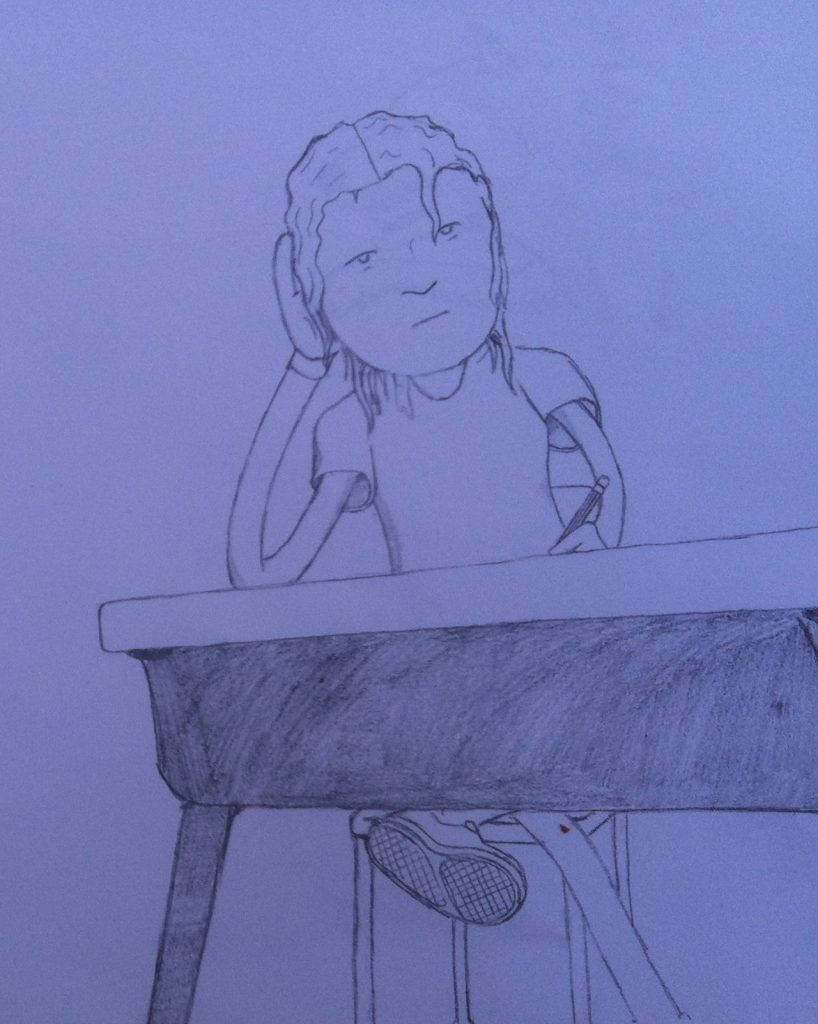
“Whys” move your mind into the unknown, the mysterious, the curious where the present lives — where creation manifests. It’s an adventure. Who knows where you travel? Doesn’t it depend on the question and the strength of our curiosity.
Yet, we’re being trained to diminish this wonderful and necessary gift given to all humans. Curiosity is ignored in standard schooling curricula perhaps to be pulled off the shelf for an assignment or two a year. And then a teacher can check off her list that as curiosity has been covered for the year.
Treating curiosity this way is counter to developing healthy, vibrant students who love learning.
Even though we’ve all been programmed with curiosity from birth, science has shown that it’s a use or lose it gift.
As a result, there is a tremendous downturn in humans being curious. Dr. George Land 10-year study at University of Arizona showed that 98% of four and five year olds were at genius levels of creativity by NASA standards. When these same youth were given the inventory at 14 and 15, only 12% maintained that standard.
It is, of course, not all of school’s fault. For instance, teens have a strong impulse to be accepted by their peers. They will often dumb themselves down, so they don’t stand out so as to be accepted. . In exchange, they believe they have a better chance be accepted by the group.
Conformity takes hold. This loss of seeing the world in many different ways is tragic. Students buy into the fads of the day. And fads are created too often by those who deliberately manipulate us to consume their latest, their greatest. And so the fad creates behavior that pulls the youth from their authentic self. What could truly capture their attention or curiosity is forgotten or lost.
This consume–obey–be silent–die culture is terribly unhealthy. One dominant standard of what’s cool leads to a one-size-fits-all mentality.
Asking more “whys” is a HEALTHY thing when not feeling good or in pain. That’s the state of 40% of high school students who self-identified experiencing a, “persistent state of hopelessness and despair.”
If more teens were curious, they’d be questioning whether this system benefits them.
How do we teach that?